
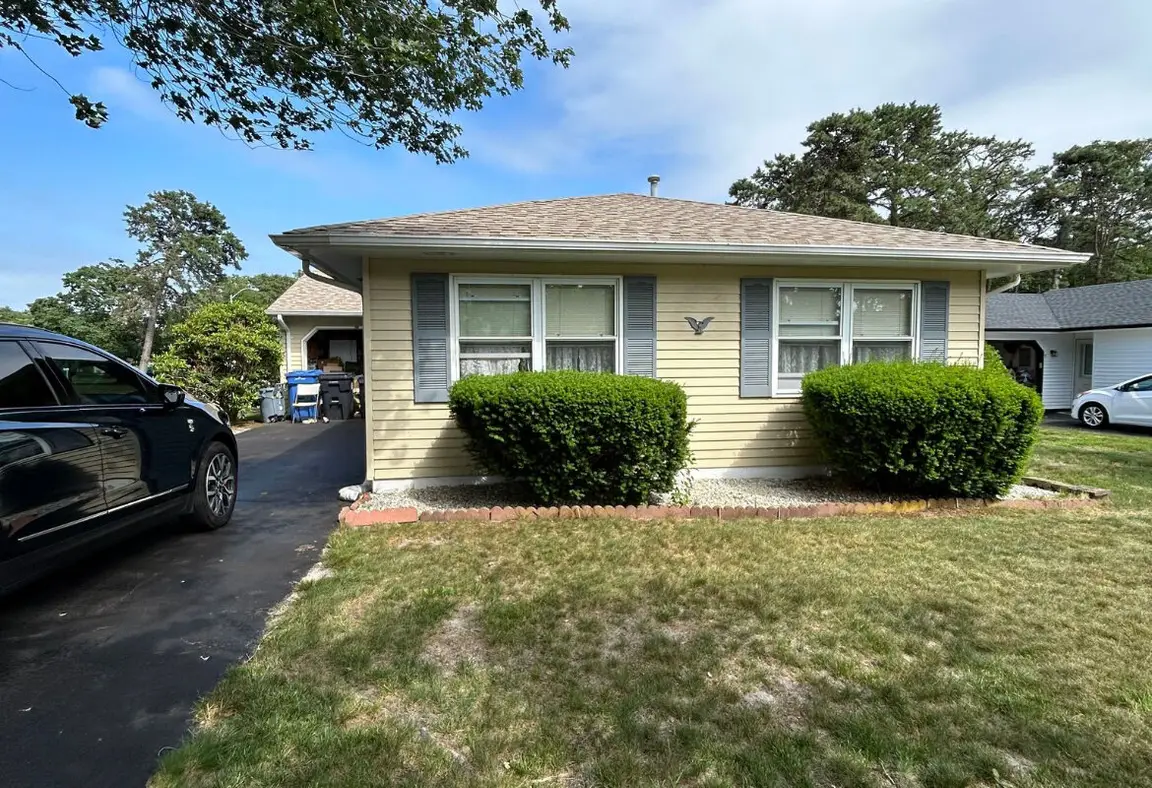
An empty house in Philadelphia comes with its own rules. The City regulates vacant buildings, the doors and windows have to stay secured, insurance may not cover what you expect, and if the taxes fall behind, a vacant house loses a protection occupied homes keep. This guide covers each risk using official sources, then explains how an as-is cash sale works.
I’m Nick Maccini, a local Philadelphia investor and the founder of Nick Buys Houses. We’ve done 400+ deals since 2020. I’m not an attorney, so the details below come from the official sources linked in the text. If you’d rather talk it through, call (215) 792-3189.
The City’s vacant property rules
Philadelphia Code Section 9-3905 requires the owner of a structure to get a Vacant Structure License when it lacks the habitual presence of people who have a legal right to be there, or when residential occupancy has ceased within the past three months. There’s an exception if the structure already has a current, valid rental license (Philly311, quoting the Code).
L&I says it issues a Violation Notice under Section 9-3905 when a property has been vacant for three or more months and there is no record of a construction permit or a valid license. To correct it, you get the Vacant Residential Property License for an unoccupied residential property, or a rental license if you plan to rent it (L&I, resolve a code violation).
What the City asks for
According to the City’s Vacant Residential Property License page:
- You need it if you own an unoccupied residential property. You don’t need it if the property is being renovated.
- If you need it and don’t get it, you may be subject to fines and violations.
- You need a Commercial Activity License or an Activity License Number first, and the owner name has to match your Philadelphia Tax Account.
- A pest control company has to inspect for rodents every year, with an abatement plan if activity is found.
- You can apply online through eCLIPSE. Online applications are reviewed within five business days.
- It must be renewed every year, and you must be current on all City taxes to renew.
The fee is listed on the City’s page. Check it there, since fees can change.
Keeping the house secured
Under Section PM-304.19 of the Philadelphia Code, all doors, windows, and openings must be in good repair and securely locked, fastened, or otherwise secured from trespassers. Exterior openings can’t be closed with materials other than doors and windows unless the code official approves the material (L&I).
This is often called the Doors and Windows Ordinance. Philly311 explains that on blocks that are at least 80% occupied, plywood is not a sufficient covering: actual doors and windows must be installed, and owners who fail to comply are subject to fines of $300 per opening per day (Philly311).
Section PM-901.1 adds that a vacant building must be kept free of garbage and rubbish, with the roof intact and draining stormwater properly. L&I warns that if a vacant building is left open, the Department may clean or seal it and bill the owner for all associated costs (L&I).
Neighbor complaints and break-ins
Neighbors can report a vacant property to 311. L&I inspects within 20 business days, issues violations if appropriate, and gives the owner 30 calendar days to correct them before reinspecting. The property may be sent to court after three failed inspections. If squatters are inside, Philly311 says they must be reported to the Police for criminal trespassing and removed through a writ of ejectment by the property owner, and L&I can’t clean and seal a property while squatters are present (Philly311). If someone is living in your house without permission, talk to an attorney quickly.
Insurance on an empty house
Vacancy can change what a homeowners policy covers. The Pennsylvania Insurance Department’s Guide to Homeowners Insurance gives one clear example: water damage from a frozen heating system or a ruptured water heater isn’t covered if the house is vacant or unoccupied when the loss happens and the owner hasn’t taken reasonable care to maintain heat or shut off the water and drain the system. A temporary absence with an intention to return, such as a three-week vacation, isn’t vacancy.
The same guide says not all companies offer the same policy types, so it’s important to read your policy carefully. It also notes that the Pennsylvania FAIR Plan is there to make basic fire and crime insurance available to Pennsylvania residents (PA Insurance Department). Before winter, call your insurance company, ask how your policy treats a vacant house, and keep the heat on or have the water shut off and drained.
Vacant houses and tax sales
Under Section 32 of Pennsylvania’s Municipal Claims and Tax Liens Act, an owner whose property is sold at a tax sale can usually redeem it within nine months of the date the sheriff’s deed is acknowledged, by paying the amount bid, costs, taxes and charges, and interest at 10% per year. But in any city, township, borough, or incorporated town, there is no redemption of vacant property after the deed is acknowledged (53 P.S. § 7293).
The statute treats a property as vacant unless the same individual or family lived in it continuously as a residence for at least 90 days before the sale and still lives there when the deed is acknowledged. The Philadelphia Sheriff’s Conditions of Sale for Tax Sales say tax-sale properties are sold “as is,” and that there are generally 9 months to redeem non-vacant properties. The Sheriff can’t advise on whether a right to redeem exists for a specific property and suggests speaking to an attorney.
If you’re behind, read our guide to being behind on property taxes in Philadelphia for payment agreements, help programs, and the sheriff sale process.
Selling a vacant house as-is
Selling as-is means you won’t make repairs. It doesn’t mean skipping disclosures. Under Pennsylvania’s Real Estate Seller Disclosure Law, a seller of a residential property with one to four units must disclose known material defects before the agreement of sale is signed. A material defect is a problem with a significant adverse impact on value, or an unreasonable risk to people on the property (68 Pa.C.S. § 7102).
Pennsylvania State Law also requires a Property Sales Certification to sell real estate in Philadelphia. It shows the property’s zoning classification, its last established use, and uncorrected violations of the housing, building, safety, and fire ordinances. Open vacant-property violations will show up there.
For repair programs and more on disclosure, see selling a house that needs major repairs. If L&I has already cited the house, see selling a house with L&I code violations.
How a cash as-is sale works with us
Here’s the short version (full details on How We Buy Houses):
- You tell us about the house by phone at (215) 792-3189 or through our cash offer form.
- We look at the property as it is, open L&I violations included.
- We make a cash offer. There’s no obligation.
- If you accept, we can close within 7 days of clear title. Most sales close within 30 days from start to finish.
We buy as-is with no repairs required from you, we pay the settlement costs, and we can help with moving costs when needed. You still complete the seller disclosure. We buy throughout Philadelphia and in nearby Pennsylvania, New Jersey, and Delaware counties, and we’re available 24/7.
Selling a vacant house in Philadelphia: FAQ
Does Philadelphia have special rules for a vacant house?
Yes. Under Philadelphia Code Section 9-3905, a structure that has been vacant for three months generally needs a Vacant Residential Property License from L&I, unless it has a valid rental license or is being renovated. Owners can face fines and violations without it.
Can I board up the windows on my vacant house?
Often not. Section PM-304.19 requires doors, windows, and openings to be secured with actual doors and windows unless the code official approves another material. Philly311 says plywood isn’t sufficient on blocks that are at least 80% occupied, with fines of $300 per opening per day.
Does homeowners insurance cover a vacant house?
It depends on your policy. The Pennsylvania Insurance Department’s homeowners guide says freezing damage isn’t covered if the house is vacant and the owner didn’t maintain heat or shut off and drain the water. Read your policy and call your insurance company.
Can I get a vacant house back after a tax sheriff sale?
Not if it counts as vacant. Under 53 P.S. § 7293, there is no redemption of vacant property after the sheriff’s deed is acknowledged. Occupied homes generally have nine months. Talk to an attorney about your property.
Who pays the settlement costs if I sell my vacant house to you?
We do. We pay the settlement costs, buy as-is, and can close within 7 days of clear title.
This article is general information, not legal or tax advice. For advice about your property, talk to an attorney. Details were checked on November 13, 2026, from the official sources linked above, and they can change.
Get an as-is cash offer
Call (215) 792-3189 or request a no-obligation cash offer online. You can also learn more about me or read our FAQ.
Related pages
- How we buy houses · Get a cash offer · FAQ
- We buy houses in Philadelphia · All areas we serve
- Behind on property taxes in Philadelphia · Selling a house with L&I code violations · Selling a house that needs repairs