
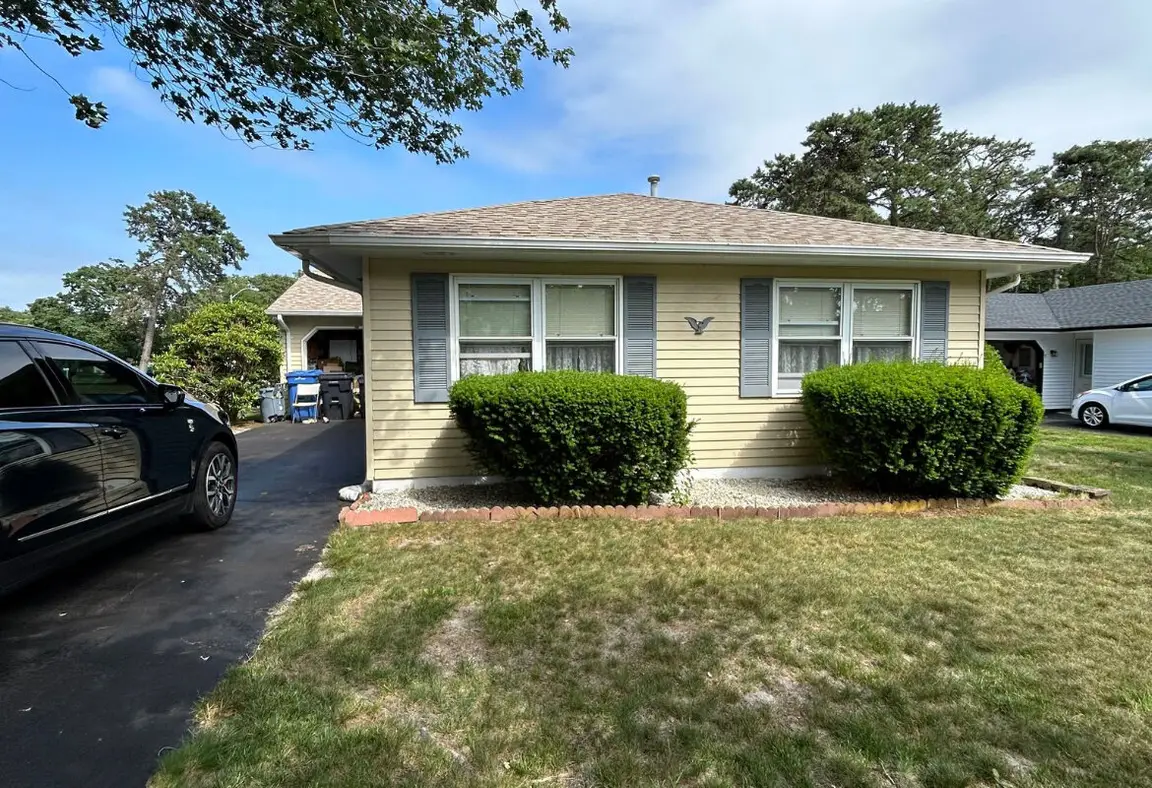
A house packed with belongings is rarely just a real estate problem. It may be a parent’s home, a relative’s estate, or your own place. Behind every hoarder house is a person and a family. This guide covers the City’s sanitation and safety rules, cleanout options, family situations, and selling a Philadelphia house with the contents still inside.
I’m Nick Maccini, a local Philadelphia investor and the founder of Nick Buys Houses. We’ve done 400+ deals since 2020. I’m not an attorney, a doctor, or a counselor, so the details below come from the official sources linked in the text. If you’d rather talk through your options, call (215) 792-3189.
Hoarding is a health condition, not a character flaw
The National Institutes of Health describes hoarding disorder as a real mental disorder. People don’t choose it, and they aren’t being sloppy or lazy. Piles can fall over, catch fire, and attract pests, and it may grow more severe over the decades (NIH News in Health). NIH suggests explaining why you’re worried about safety, then offering to help find a therapist, a support group, or county resources.
If you or someone you love needs support, these official resources are a starting point:
- 988 Suicide & Crisis Lifeline: call or text 988, 24/7. The Philadelphia Crisis Line is 215-685-6440, and Community Behavioral Health (888-545-2600) helps people find mental health treatment (City of Philadelphia).
- Older adults: the Philadelphia Corporation for Aging’s Older Adult Protective Services takes confidential reports of self-neglect 24/7 at 215-765-9040 (PCA). Pennsylvania’s Elder Abuse Helpline, 1-800-490-8505, is also staffed around the clock, and reports can be anonymous (PA Department of Aging).
L&I sanitation and safety rules
The City’s L&I department enforces the fire code and the property maintenance code in existing buildings and responds to 311 complaints (L&I code enforcement).
Exterior sanitation
Under Section PM-302.1 of the Philadelphia Code, all exterior property must be kept clean, safe, and sanitary. L&I lists excessive exterior clutter, garbage, and rubbish as examples. To correct a notice, you remove and properly dispose of the waste, store exterior personal property properly, and request a compliance inspection (L&I, resolve a code violation).
Inside the house and blocked exits
L&I’s Partners in Good Housing handbook says the interior and exterior of every premises must be free from an accumulation of rubbish or garbage. It also says tenants, landlords, and homeowners each have a duty to keep hallways, stairways, fire escapes, and exits clear, and that rubbish or other materials must not pile up in stairways, passageways, doors, windows, or other ways out.
Unfit and cease operations orders
Under Section PM-109.1, L&I can find a structure unfit for human occupancy if, among other things, it is unsanitary, vermin or rat infested, or contains filth and contamination. While that designation stands, no new tenants may be admitted (L&I). In more serious cases, L&I can issue a Cease Operations Order when an unsafe or unsanitary condition, such as garbage, rubbish, or an infestation, presents an immediate danger to the health of people next door. That order requires the property to be vacated until L&I lifts it (L&I violation and order types).
With a standard Notice of Violation, the owner may have up to 35 days to correct, and L&I may take legal action if the work isn’t done (L&I). Appeals generally must be filed within 30 days, or within six days for unsafe or imminently dangerous conditions (L&I). For more, see selling a house with code violations in Philadelphia.
Rats and smoke alarms
The Health Department’s Vector Control responds to complaints about rats inside or outside a home at (215) 685-9000 or health.vector@phila.gov; it doesn’t provide a service for mice inside homes (City of Philadelphia). Owner-occupants of one- or two-family homes can request free smoke alarms through Philly311, and the Fire Department installs them, though it can take up to 90 days (City of Philadelphia).
Cleaning out a house: what the City will take
If you clear out some of the house yourself, City rules shape how fast it can go:
- Weekly curbside limit: a single-family home can set out four cans or eight bags of trash a week (two bags count as one can), in containers of 32 gallons or less. There’s no weekly limit on recycling. Compactible furniture such as sofas and mattresses is limited to two items a week, and mattresses must be bagged (Department of Sanitation).
- Sanitation Convenience Centers: six centers, open Monday through Saturday, 8 a.m. to 6 p.m. Residents with proof of Philadelphia residency can drop off up to six receptacles or 12 bags of trash, plus electronics, mattresses, and up to two bulk or appliance items a day. Vehicles must weigh less than 6,000 pounds, and commercial contractors and loads aren’t allowed (City of Philadelphia).
- Bulk Collection: homes with up to six units can schedule pickup of up to four bulk items, such as appliances or furniture, per appointment, online or through 311. The City won’t enter the home to collect them (Department of Sanitation).
- Hazardous items: paints, motor oil, and similar household hazardous waste go to a disposal site or a collection event, and other bulk items can go to a private hauler (Department of Sanitation).
Before anything is thrown away, set aside important papers such as deeds, wills, insurance policies, and bank statements, along with photos and anything with sentimental value.
Family situations
A parent or relative still lives there
If they own the home and can decide, the sale is their call. If they can’t manage their affairs, someone needs legal authority. A durable financial power of attorney lets the person named in it handle financial and legal matters, and in Pennsylvania it is presumed durable unless it says otherwise (Pennsylvania courts). If there’s no power of attorney and a court finds the person incapacitated, it may appoint a guardian to make financial decisions (Pennsylvania courts). Talk to an attorney before signing anything.
The owner has passed away
Someone generally needs authority from the Register of Wills before the house can be sold. Our guide to selling an inherited house in Philadelphia walks through that process.
Family members disagree
Siblings often see the same house differently. Agreeing early on who handles the paperwork, which items each person wants, and a rough timeline keeps the house from sitting while bills and violations pile up.
Selling with the contents still inside
Pennsylvania law requires a Property Sales Certification to sell real estate in Philadelphia. It discloses uncorrected housing, building, safety, and fire violations, and processing takes five business days (City of Philadelphia).
Selling the traditional way usually means clearing the house, making repairs, and opening it to showings. See selling a house that needs repairs in Philadelphia for that comparison.
How a cash as-is sale works with us
Here’s the short version (full details on How We Buy Houses):
- You tell us about the house by phone at (215) 792-3189 or through our cash offer form.
- We look at the property as it is. You don’t need to make repairs or clear out belongings first.
- We make a cash offer. There’s no obligation.
- If you accept, we can close within 7 days of clear title. Most sales close within 30 days from start to finish.
Take what matters to you first. We buy as-is, including with open L&I violations, even unsafe and imminently dangerous ones. We pay the settlement costs, and we can help with moving costs when needed. We buy throughout Philadelphia and in nearby Pennsylvania, New Jersey, and Delaware counties, and we’re available 24/7.
Selling a hoarder house in Philadelphia: FAQ
Can I sell a hoarder house in Philadelphia without cleaning it out?
Yes. We buy houses as-is, so you don’t need to make repairs or clear out belongings first. Any sale in Philadelphia still needs a Property Sales Certification, which discloses uncorrected violations.
Can L&I cite a house for clutter or trash?
Yes. Section PM-302.1 requires exterior property to be clean, safe, and sanitary, and L&I lists excessive exterior clutter, garbage, and rubbish as examples. A structure that is unsanitary, vermin infested, or contains filth can be declared unfit under Section PM-109.1.
How much trash will the City pick up during a cleanout?
A single-family home can set out four cans or eight bags a week, with no limit on recycling. Residents can also take up to six receptacles or 12 bags to a Sanitation Convenience Center and schedule Bulk Collection for up to four large items per appointment.
Who can help an older adult who is hoarding in Philadelphia?
The Philadelphia Corporation for Aging takes confidential reports of self-neglect 24/7 at 215-765-9040. Pennsylvania’s Elder Abuse Helpline is 1-800-490-8505, and reports can be anonymous.
Can I sell my parent’s house if they can’t manage the sale?
Only with legal authority, such as a durable financial power of attorney they signed or a court-appointed guardianship. If the owner has passed away, the estate needs authority from the Register of Wills. Talk to an attorney first.
This article is general information, not legal, medical, or tax advice. Talk to an attorney about authority to sell and any L&I notices, and to a health professional about hoarding. Details were checked on November 24, 2026, from the official sources linked above, and they can change.
Get an as-is cash offer
Call (215) 792-3189 or request a no-obligation cash offer online. You can also learn more about me or read our FAQ.
Related pages
- How we buy houses · Get a cash offer · FAQ
- We buy houses in Philadelphia · All areas we serve
- Selling an inherited house in Philadelphia · Selling a house that needs repairs · Selling a vacant house