
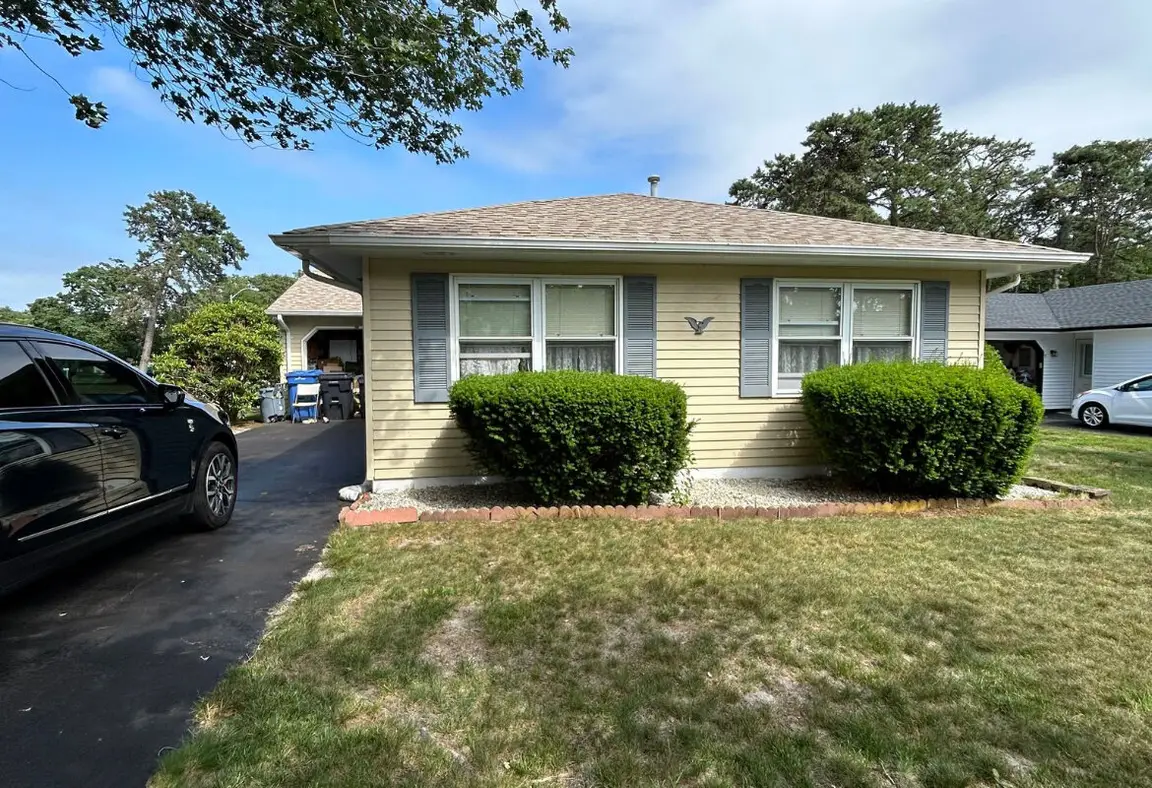
A leaking roof, a failing heater, a cracked foundation, or a stack of L&I violation notices can make selling a house feel impossible. It isn’t. You have real options: fix it yourself, get help through a City repair program, or sell as-is. This guide covers what Philadelphia’s code rules mean for you, what Pennsylvania law still requires you to disclose, the City programs worth checking first, and how a cash as-is sale works.
I’m Nick Maccini, a local Philadelphia investor and the founder of Nick Buys Houses. We’ve done 400+ deals since 2020, and many of them were houses that needed serious work. If you’d rather talk it through, call (215) 792-3189.
L&I violations: what they mean for a sale
Philadelphia’s Department of Licenses and Inspections (L&I) issues violation notices when a property doesn’t meet code. Per L&I, you generally have 30 days to appeal a violation, but only six days for violations marked unsafe or imminently dangerous. Fees keep adding up until the violation is resolved, and unpaid violations can be sent to Municipal Court, the Court of Common Pleas, or a collection agency (L&I violation and order types).
Unsafe and imminently dangerous properties
These are L&I’s most serious designations. A structure is unsafe when it’s dangerous to the life, health, property, or safety of the public or occupants, for example because it could partially or completely collapse. It’s imminently dangerous when it’s in imminent danger of failure or collapse. In those cases, the code official can order occupants to leave, and entering the building is unlawful except to repair or demolish it (L&I).
L&I gives owners two ways to correct these violations: get a Make Safe permit to repair the dangerous condition, or get a demolition permit. The City says a building permit must be obtained to fix a structurally unsafe condition within ten days of receiving the violation. Not doing so could lead to fines or demolition by the City, and permit fees are doubled when you’re resolving this violation (Make Safe permit). In most cases the work requires a licensed contractor, with an exception for an owner who lives in a one- or two-family home and does the work themselves.
If you’ve received one of these notices, act fast. Call L&I, talk to an attorney, or call a buyer who can move quickly. Don’t let the deadline pass while you decide.
What disclosure still requires when you sell as-is
Selling as-is means you won’t make repairs. It doesn’t mean you can stay quiet about problems. Under Pennsylvania’s Real Estate Seller Disclosure Law (68 Pa.C.S. § 7301 et seq.), a seller of a residential property with one to four units must disclose any material defects they know about on a property disclosure statement, and must deliver a signed, dated copy to the buyer before the agreement of sale is signed.
The law defines a material defect as a problem that would have a significant adverse impact on the property’s value, or that involves an unreasonable risk to people on the property. An old roof or furnace isn’t automatically a material defect just because it’s near the end of its useful life (68 Pa.C.S. § 7102). A few more points from the statute:
- You don’t have to hire inspectors or investigate to fill out the form, but you can’t make false or misleading statements or leave out a known material defect (§ 7308).
- If something you disclosed becomes inaccurate before settlement, you must tell the buyer (§ 7307).
- A sale isn’t invalidated just because someone failed to comply, but a person who willfully or negligently violates the law can be liable for the buyer’s actual damages. A lawsuit must be filed within two years of settlement (§ 7311).
- Some transfers are exempt, such as certain transfers by an estate’s fiduciary or by court order. “As-is” by itself is not on the list of exemptions (§ 7302 and § 7102).
In Philadelphia, sellers also need a Property Sales Certification from L&I. It shows the property’s zoning, its last established use, and any uncorrected code violations.
City repair programs to check first
If you want to stay in your home, or you’re not sure yet, Philadelphia’s repair programs may help. They’re run with the Philadelphia Housing Development Corporation (PHDC) and the City’s Division of Housing and Community Development (DHCD). Rules and funding change, so confirm the current details with the program.
Basic Systems Repair Program (BSRP)
BSRP provides free repairs for electrical, plumbing, heating, limited structural and carpentry, and roofing emergencies in eligible owner-occupied single-family homes. To qualify, you must own and live in the home, not own other residential property in Philadelphia, be current on property taxes and water bills (or on a payment agreement), and meet the income guidelines (City of Philadelphia; BSRP program page; PHDC). PHDC administers the program.
Restore, Repair, Renew (RRR) loans
Restore, Repair, Renew offers fixed-rate home improvement loans of $2,500 to $50,000 at 3% APR over 10 years for Philadelphia homeowners. Requirements include living in the home as your primary residence, a credit score above 580, homeowners insurance, and being current on taxes and utilities or on a payment plan. Properties can’t have L&I violations unless they’ll be fixed as part of the program (City of Philadelphia; PHDC). Per PHDC, applications go through Clarifi, which also offers financial counseling and help with the application.
These programs are for owners who live in the home. If you inherited the house or it’s a rental, see our guides to selling an inherited house and selling a house with tenants.
Fixing up vs. selling as-is
We won’t throw made-up numbers at you, because every house and every budget is different. These are the questions that usually decide it:
- Cost. Get written estimates from licensed contractors. Then add permit fees, a cushion for surprises behind the walls, and the taxes, insurance, and utilities you’ll keep paying while the work gets done.
- Time. Repairs take time to plan, permit, schedule, and inspect. Then a traditional sale takes its own time on top of that.
- Deadlines. If L&I has set a deadline, fines can keep growing while you wait.
- Your energy. Managing a renovation is a job. Some sellers want it, and some don’t.
If the numbers and the timeline work, fixing up can put more money in your pocket. If they don’t, selling as-is trades some price for speed and certainty.
How a cash as-is sale works with us
Here’s the short version (full details on How We Buy Houses):
- You tell us about the house by phone at (215) 792-3189 or through our cash offer form.
- We look at the property as it is, violations included.
- We make a cash offer. There’s no obligation.
- If you accept, we can close within 7 days of clear title. Most sales close within 30 days from start to finish.
We buy as-is with no repairs, we pay the settlement costs, and we can help with moving costs when needed. You still complete the seller disclosure. We buy throughout Philadelphia and in nearby Pennsylvania, New Jersey, and Delaware counties.
Selling a house that needs repairs: FAQ
Can I sell a house in Philadelphia with open L&I violations?
Yes. Open violations don’t stop a sale, but they have to be disclosed. Philadelphia’s Property Sales Certification lists uncorrected violations, and Pennsylvania’s Seller Disclosure Law requires you to disclose known material defects.
What does it mean if L&I says my property is imminently dangerous?
It means L&I considers the structure in imminent danger of failure or collapse. The code official can order occupants to leave, and the City says a permit to fix a structurally unsafe condition must be obtained within ten days of the violation. You have only six days to appeal.
Do I still have to fill out a disclosure if I sell as-is?
Yes, unless your sale falls under one of the law’s specific exemptions. Pennsylvania’s Real Estate Seller Disclosure Law requires sellers of one- to four-unit homes to disclose known material defects before the agreement of sale is signed. Selling as-is doesn’t by itself make you exempt.
Are there City programs that will pay for repairs?
Possibly. The Basic Systems Repair Program provides free emergency repairs for eligible owner-occupants, and Restore, Repair, Renew offers low-interest repair loans. Both have eligibility rules, so check with the program first.
Who pays the settlement costs when I sell to you?
We do. We pay the settlement costs, and we buy as-is, so you don’t pay for repairs.
This article is general information, not legal or tax advice. For advice about your property, talk to an attorney or a HUD-approved housing counselor. Details were checked on November 3, 2026, from the official sources linked above.
Get an as-is cash offer
Call (215) 792-3189 or request a no-obligation cash offer online. You can also learn more about me.
Related pages
- How we buy houses · Get a cash offer
- We buy houses in Philadelphia · All areas we serve
- Facing foreclosure in Philadelphia · Selling an inherited house