
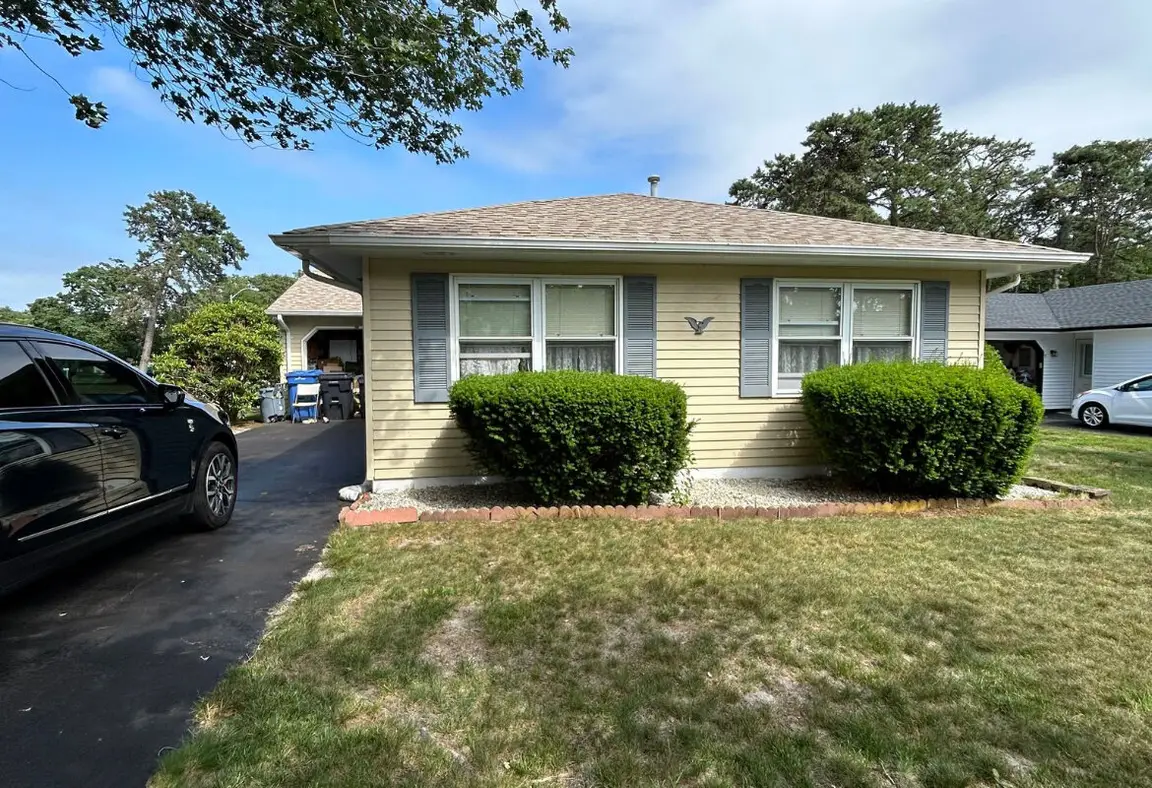
Inheriting a house in South Jersey usually means two jobs at once: grieving, and figuring out what to do with a property you may not want. Before an inherited New Jersey house can be sold, someone has to be given legal authority over the estate, and the State has to release its inheritance tax lien on the real estate. This guide walks through both steps for houses in Camden and Burlington counties, and how selling as-is can work once the paperwork is in place.
I’m Nick Maccini, a local investor and the founder of Nick Buys Houses. We’ve done 400+ deals since 2020 in the Philadelphia area and South Jersey, including many inherited houses. I’m not an attorney or a tax advisor, so I’ll point you to the official sources. If you’d rather talk it through, call (215) 792-3189.
Step 1: Get authority from the County Surrogate
In New Jersey, uncontested probate runs through the County Surrogate. The NJ Courts describe the Surrogate as an elected Constitutional Officer who serves as judge of the Surrogate’s Court for uncontested probate and estate matters (NJ Courts). The NJ Courts Surrogates roster lists these offices:
- Camden County Surrogate’s Office: 509 Lakeland Road, Blackwood, NJ 08012, 856-225-7282
- Burlington County Surrogate’s Office: 50 Rancocas Road, 1st Floor, Mount Holly, NJ 08060, 609-265-5005
The person who handles the estate is called the personal representative. If there’s a will, it’s the executor named in the will. If there’s no will, the Surrogate appoints an administrator. Either way, the Surrogate issues letters, the documents that authorize that person to transfer the estate’s assets, including the house.
If there’s a will (probate)
Camden County’s Probate FAQ explains that a will can be brought to the Surrogate’s office anytime after death, but probate and the issuance of letters happen only after the 11th day after death. The applicant needs the original will and a death certificate. Once the will is probated, the executor has 60 days to mail a copy of the will, with notice of the date and place it was probated, to the devisees, spouse, heirs, next of kin, and anyone else entitled to letters.
The executor’s job, per the same page, is to collect and safeguard the estate’s assets, pay the decedent’s debts and any taxes due, distribute what’s left under the will, and provide an accounting if required.
If there’s no will (administration)
When a New Jersey resident dies without a will, the heir or person seeking letters of administration applies to the Surrogate of the county where the person lived at death. Camden County lists the priority order set by law: the spouse, civil union partner, or domestic partner first, then adult children, then others such as parents and siblings (Camden County Surrogate). If the spouse and heirs don’t claim administration within 40 days of the death, the Surrogate may grant letters to any fit person who applies. A surety bond is generally required for an administrator (Functions of the Surrogate). Without a will, the property passes to heirs under New Jersey’s intestacy statutes, N.J.S.A. 3B:5-3 and 3B:5-4.
Working with the Camden County Surrogate
Camden County’s Surrogate accepts documents by mail, by its drop box at 509 Lakeland Road, or in person by appointment only, and payment is due at the time of service by cash, money order, or check (Camden County Surrogate). Its probate-by-mail letter lists what to bring. For an estate without a will, that includes a list of assets in the decedent’s name; for real estate, the fair market value if available and, if there’s a mortgage, a statement showing the balance. If the house is in Burlington County, call the Burlington County Surrogate’s Office at 609-265-5005 to confirm its current process before you go.
Step 2: New Jersey inheritance tax and the real estate waiver
New Jersey no longer imposes an Estate Tax for people who died on or after January 1, 2018, but the Inheritance Tax may still apply (NJ Division of Taxation). Whether it does depends mostly on who inherits. Per the Division’s guide for executors and beneficiary class list:
- Class A beneficiaries are exempt: a spouse, civil union or domestic partner, parents, grandparents, children (including adopted children), stepchildren, and grandchildren.
- Class C beneficiaries, such as brothers, sisters, and a child’s spouse, are taxed after built-in exemptions.
- Class D beneficiaries, such as nieces, nephews, friends, and others, are subject to the tax.
- Class E beneficiaries, such as qualified charities, are exempt.
If a return is required, it must be filed, and any tax paid, within eight months of the date of death. Interest runs at 10% a year on tax not paid within those eight months, and there’s no extension of time to pay (filing requirements).
Why the house needs a waiver
The Division’s executor guide says real estate transfers always require a Form 0-1 waiver, which only the Division of Taxation can issue. If every beneficiary is Class A and no return is required, the executor or administrator can file Form L-9, the Affidavit for Resident Decedent Requesting Real Property Tax Waiver, with the Division to get the 0-1 waiver for the real estate. If any beneficiary is Class C, D, or E, a full return is needed. The guide warns that once a return is filed, processing can take at least several months. Questions go to the Inheritance and Estate Tax Service Center at 609-292-5033.
Plan for this early. If a sibling, niece, or nephew inherits a share, the waiver usually takes longer, and that affects when you can close.
Step 3: Decide what to do with the house
Once the personal representative has letters, the estate can decide whether to keep the house, transfer it to an heir, rent it, or sell it. If there are several heirs, get everyone on the same page early, and talk to the estate’s attorney about who needs to sign. While you decide, keep the property insured, secured, and current on taxes and utilities, because those costs come out of the estate.
Inherited houses often need work, and many are full of a lifetime of belongings. Fixing up and listing can bring a higher price, but it takes money, time, and coordination among heirs. Selling as-is trades some price for speed and simplicity.
How a cash as-is sale works with us
Here’s the short version (full details on How We Buy Houses):
- The executor or administrator contacts us by phone at (215) 792-3189 or through our cash offer form. We’re happy to talk before letters are issued, so you know your options.
- We look at the property as it is. You don’t need to make repairs or clear out belongings first.
- We make a cash offer. There’s no obligation.
- Once the paperwork is in place and title is clear, we can close within 7 days. Most sales close within 30 days from start to finish.
We buy as-is, we pay the settlement costs, and we can help with moving costs when needed. In South Jersey we buy in Camden County, Burlington County, Gloucester County, and other nearby New Jersey, Pennsylvania, and Delaware counties.
Nick is the most honest, helpful person I know! So easy to work with.
Sam Florio, Google review
Inherited house in New Jersey: FAQ
Where do I probate a will in Camden or Burlington County?
With the County Surrogate. The Camden County Surrogate’s Office is at 509 Lakeland Road, Blackwood (856-225-7282), and the Burlington County Surrogate’s Office is at 50 Rancocas Road, Mount Holly (609-265-5005), per the NJ Courts roster.
How soon after a death can a will be probated in New Jersey?
Camden County’s Surrogate says a will can be brought in anytime after death, but probate and the issuance of letters happen only after the 11th day after death.
Do I have to pay New Jersey inheritance tax on my parent’s house?
Children and grandchildren are Class A beneficiaries, who are exempt from New Jersey Inheritance Tax. Siblings, nieces, nephews, and friends may owe tax. New Jersey’s Estate Tax doesn’t apply to deaths on or after January 1, 2018.
What is the L-9 form?
Form L-9 is the Affidavit for Resident Decedent Requesting Real Property Tax Waiver. If all beneficiaries are Class A and no return is required, it’s filed with the NJ Division of Taxation to get the Form 0-1 waiver needed to transfer the real estate.
Who pays the settlement costs if the estate sells to you?
We do. We pay the settlement costs, buy as-is, and can close within 7 days of clear title once the estate’s paperwork is in place.
This article is general information, not legal or tax advice. For advice about an estate, talk to a New Jersey attorney or tax professional. Details were checked on November 4, 2026, from the official sources linked above, and they can change.
Get an as-is cash offer
Call (215) 792-3189 or request a no-obligation cash offer online. You can also learn more about me or read our FAQ.
Related pages
- How we buy houses · Get a cash offer
- We buy houses in Camden County · We buy houses in Burlington County · All areas we serve
- The New Jersey foreclosure process · Selling an inherited house in Philadelphia